
Diagnosis by an operator. Delivery by engineers.
Twenty-five years of retail operations behind the analysis. Enterprise engineering discipline behind the build.
Why Luxia exists

I spent twenty-five years building brands and designing systems for retail businesses, from independent boutiques to national chains. Considered storefronts, coherent identities, well-made campaigns.
Beneath almost every one of them, the same set of problems.
Stock in the wrong warehouse while sales were lost in another. Advertising budget running against products that could not be shipped. Teams reading two hundred notifications a day to find the three that mattered. Capital sitting in returns nobody had processed.
The pattern was consistent enough to be structural. Growth does not create inefficiency — it reveals the coordination work a business absorbed when it was smaller, and that work does not scale.
Most operators knew. They had tried apps, which handle the common case and fail on the specific one. Some had engaged consultants who could describe the problem but not build the solution. Most had concluded that this was simply what scaling costs.
The gap was narrow and obvious. Enterprise retailers can afford operations teams and bespoke software. Stores between £1M and £20M are too complex for generic apps and too small for enterprise providers. They need someone who understands the operational problem from having run one, and who can build the answer.
That is what Luxia does, and nothing else.
— Geoffrey Idun, Founder
The team
Deliberately small. We work on operational automation for Shopify stores and we decline everything adjacent to it. As the practice grows we add specialists in the same discipline rather than expanding into services we would perform less well.
-

Geoffrey Idun
Founder
Twenty-five years in retail operations and branding, from independent boutiques to national chains. Has worked with John Lewis.
-
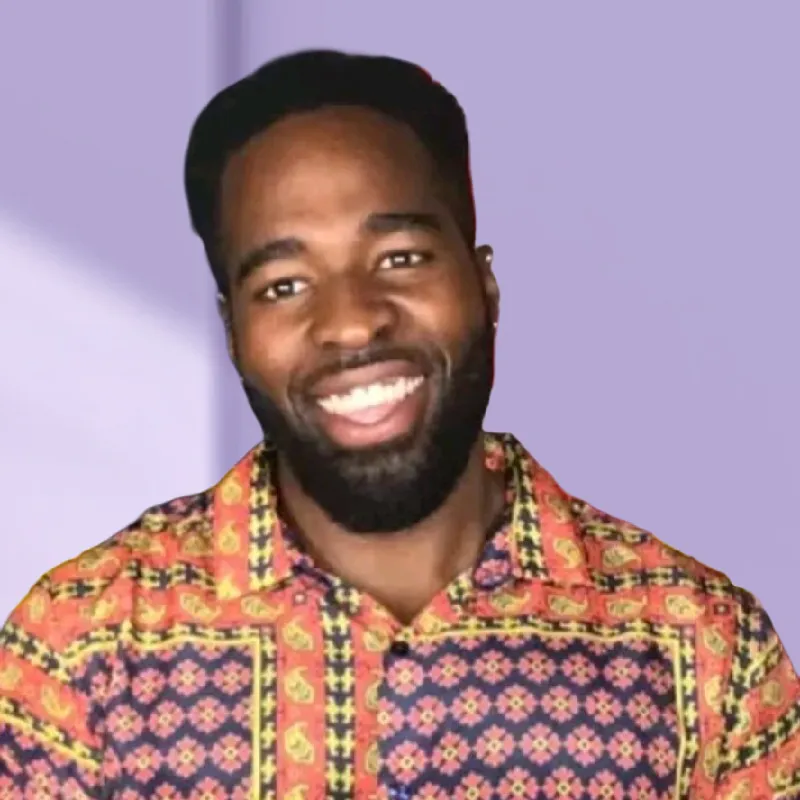
Ekene Osubor
Development
Automation and systems engineering. Has worked with Rolls-Royce, Formula 1, McKinsey and Nissan.
-

Shannon Overton
Partnerships
Commercial and partnership development. Has worked with Google, Gymshark, Foot Locker and Oh Polly.
-

Benjamin Ford
Strategy
Operational strategy. Previously British Army; has worked with Marsland Timber.
How we work with clients
-
We measure before we build.
Every engagement opens with a diagnosis of your actual figures. You see the model and its assumptions before committing to anything.
-
We say when the answer is no.
If a simpler approach serves you better — an existing tool, a process change, or doing nothing — we say so. We have told clients to keep software they already own.
-
We do not claim capability we lack.
Where a problem sits outside operational automation, we name the specialists who handle it rather than attempting it.
-
We build for the long term.
Robust error handling, real testing, and documentation written for the person who inherits the system rather than the person who built it.
What we do, and what we decline
We do
- Operational automation for Shopify stores — inventory, warehouses, suppliers, returns and advertising
- Bespoke builds against your specific workflow
- Integration with your existing systems
- White-label delivery through agency partners
- Ongoing monitoring and adjustment
We decline
- Generic applications
- Front-end development
- Marketing strategy and creative
- Hosting and infrastructure
- Anything described as a quick fix
A generalist agency cannot excel at all of it. We are specialists, and the services we refuse are the reason we are good at the one we accept. When a client needs design, marketing or strategy, they should work with people who do that properly.
Establish the figure for your store
The Operational Health Scorecard returns a modelled leakage figure in about four minutes.
No call required.
Take the Operational Health Scorecard